
I am interested in the endings of things more than I am in the beginnings.
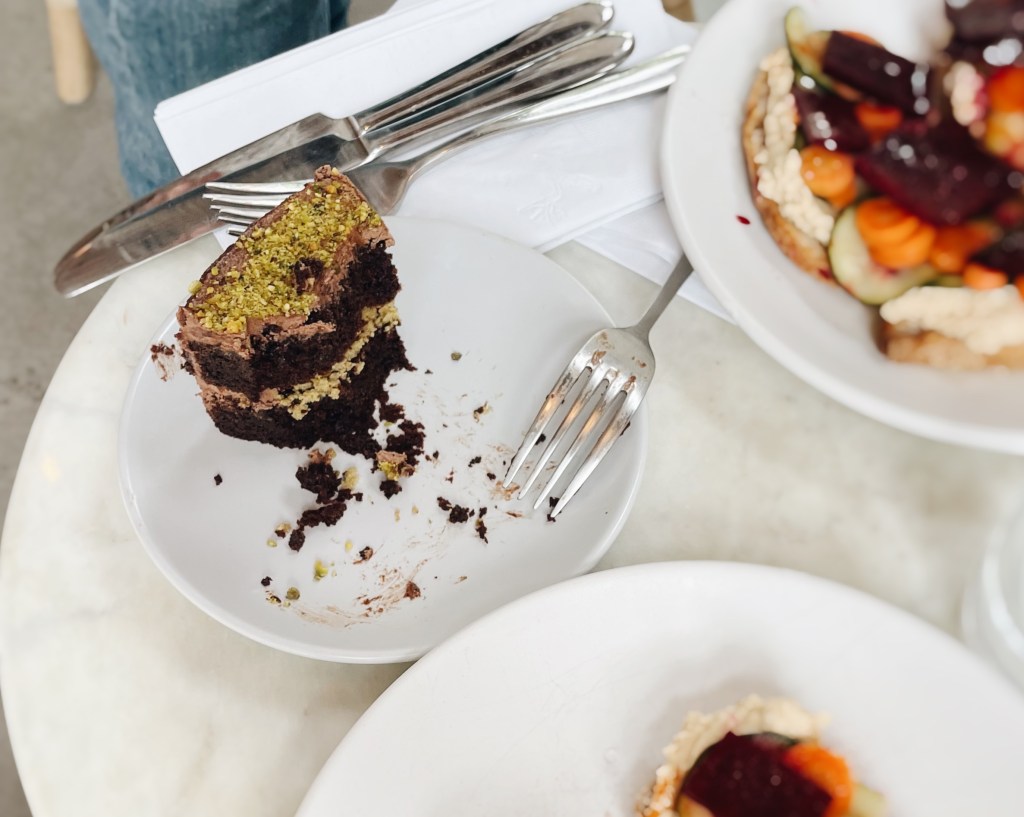
I want to photograph the party when everyone has left. When the last of the laughter has trickled out the door and the music has been turned off. When all the balloons are giving up and fallings like feathers to the floor. When forks are resting on plates of half-eaten cake and a different shade of lipstick stains each glass. I find these things far more artistic than the pristine layout of a room yet to be lived in; a table yet to be dined at. I want to capture the mutilated cake more than I do the freshly frosted one. There are stories in the aftermath and I want to read them.
I never have loved parties though.
Why?
I think that far too often, we put all of the pressure on holidays or special occasions to be the most magical days. How many times have you watched a host, or been the host, running around with their head cut-off just trying to make sure everything is perfect? We think that we can plan out every detail and order up happiness like a coffee, just how we like it.
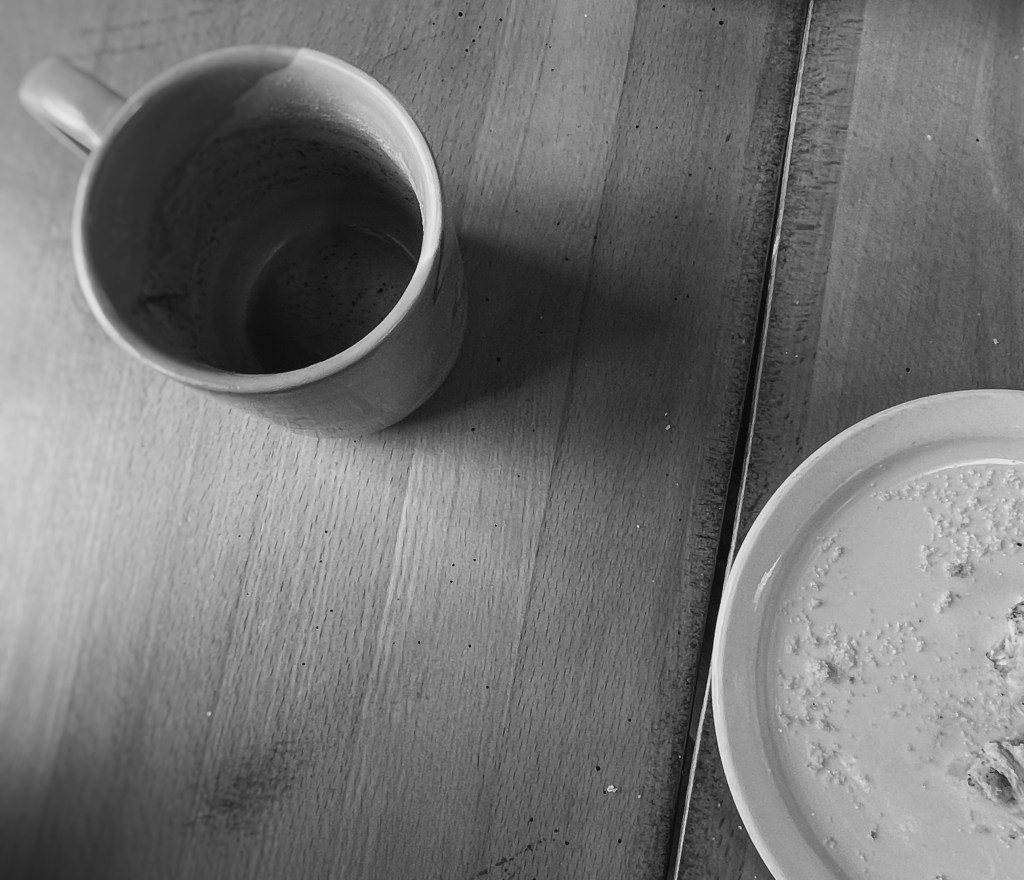
But the truth, I am learning, is that happiness is perhaps never twice the same. It comes to us in different, sometimes unexpected, forms and it is the perpetual task of our lives to decipher them. And you can’t plan that. Obsessive planning creates an intense atmosphere that starves the down-to-earth connection that we crave from getting together with friends and family. I have found that the more we plan, the less we truly enjoy. The weight of expectation suffocates the lightness of joy. My favorite days are the ones that I don’t expect anything from; the ones where I feel calm and relaxed instead of like a train running on a schedule. Those days are medicinal. And usually, they are also the most beautiful ones to photograph too. Photos of crumbling cake and empty coffee cups and dirty dishes. Photos of real life, after it has been lived. Beauty in the mundane, the imperfect, the unexceptional; beauty in what is not asking to be beautiful, but is.
There is a Japanese term that I love called wabi-sabi that is dedicated to that beauty. It’s an aesthetic that aims to honor the imperfection and impermanence of things. In other words, it aims to honor authenticity. It’s all about recognizing, accepting, and admiring the transience and incompleteness that makes up any of our lives. Nothing will ever be perfect or finished and it will all be lost with time. Wabi-sabi turns these truths into the foundation that a more deeper, more meaningful life can be built upon. It rejects the artificiality of mimicking intangible perfection and embraces the flawed, unique, natural aesthetics of beauty that surround us everyday. And for that, I love it completely.
For me, this looks like taking pictures of dirty dishes.
Empty mugs.
Half-eaten cake.
But more so, it looks like moving through the world and gently noticing mundane things that just look like art. Bill Hayes is great at this with his photography in Insomniac City. He documents people and moments that would otherwise go unnoticed. The result? Eye-catching, unconventional beauty that makes you feel more connected to humanity because these people look like they actually exist. They are captured in a way that allows them to be imperfect, unfinished, and ephemeral. Wabi-sabi.
Also great at this is Julie Pointer Adams, who, in her gorgeous coffee-table book Wabi-Sabi Welcome, explores this refreshing mindset in relation to hosting. She eloquently invites you to stop stressing themselves out over making everything perfect when planning a dinner party, and to instead invite people into your home naturally and authentically, whatever that means for you. If your napkins are wrinkled, no worries. If someone spills wine or burns the bread, embrace the chaos.
Each moment is a part of the story that you and all of these other messy, beautiful humans are telling; the story that could never be recreated in the exact same way again.
That’s the magic of it.
join the fun
Give your inbox something to look forward to.
 SPiNNiNG ViSiONS
Leave a Reply